The feeds are full of AI built to be fast and forgettable. Showspring is the opposite: a real show that holds together as it grows. Your characters, their voices, and your world stay consistent from the first episode to the fiftieth, on a channel that stays entirely yours. You direct every step, and the work stops eating your weekends.
Currently in private use on The Doodle Cast. Opening to more shows soon.
You make the calls; Showspring does the production. It generates every step and you approve, override, or send it back. Nothing publishes that you did not sign off on.
Pick a topic and watch competing pitches get written and scored in real time, the same way every episode starts in the app. The winner is where your story begins.
Showspring shines the moment you need episode 2 to feel like it belongs next to episode 1.
You've got an idea with characters and a format — a dog podcast, a news-desk parody, a procedural-drama lite. You don't have a writer's room, a voice actor, an animator, or an editor. Showspring is all four. A blank page one weekend, a published episode the next, not a season of evenings.
You've been on audio. You want to be on YouTube. You don't want to block out four hours a week to record talking-head footage you'll have to edit. Write the outline; Showspring casts and shoots it.
Most brand-AI video is a single shiny clip. Treat it as a show instead — recurring characters, ongoing storylines, weekly cadence. Agencies run each client as its own project in the header switcher.
Tell us what you want to make. We are taking on a small number of shows to run through Showspring.
Tell us about your show →Every AI video tool makes clips. Brilliant ones, even. But the moment you tried to run a show — recurring characters, a consistent voice, segments that build over time, an audience that watches next Saturday expecting the same two dogs — the tools forgot everything they did yesterday. So you stitched five of them together, kept the bible in a Google Doc, and hoped the characters looked vaguely the same.
Showspring treats the show bible as a first-class object. Every generation step reads it. Every episode writes back to it. You don't author the bible upfront — you start with one character and a format, and the bible accumulates from what you actually make: voices that stuck, running jokes that landed, segment rules that emerged. Episode 47 is the benefit of everything the tool learned between episode 1 and now. The show is the unit of work, not the clip.
The AI video tools were miraculous at one-shot novelty and hopeless at a real show: recurring characters, a consistent voice, a storyline that holds across episodes. We wanted to make a show with dogs as hosts, good enough that an audience comes back for the next one. Three months later we had the production engine for it.
That engine became Showspring.
Showspring sits in a gap none of the familiar names fill: episode-first, bible-driven, shipping to your channel. Here's the map.
Showspring is overkill if you want one clever clip — use Runway, Pika, or Veo directly. It's the wrong tool for corporate training — use Synthesia. And if you're already recording a podcast and just want to post shorts, use Descript and Opus. We're built for the moment you decide to run a show, not produce a video.
A peek at the app mid-way through building an episode. Project switcher, six-step pipeline, per-clip dialogue, character bible — rendered in the live Graphite theme.
Raw screenshots of the current build — same Graphite palette as the marketing site, because they share tokens. No mockups below.
The pipeline an episode moves through, from blank page to a file on your own channel. Watch the 10-minute walkthrough, or see the full step-by-step breakdown on the features page.
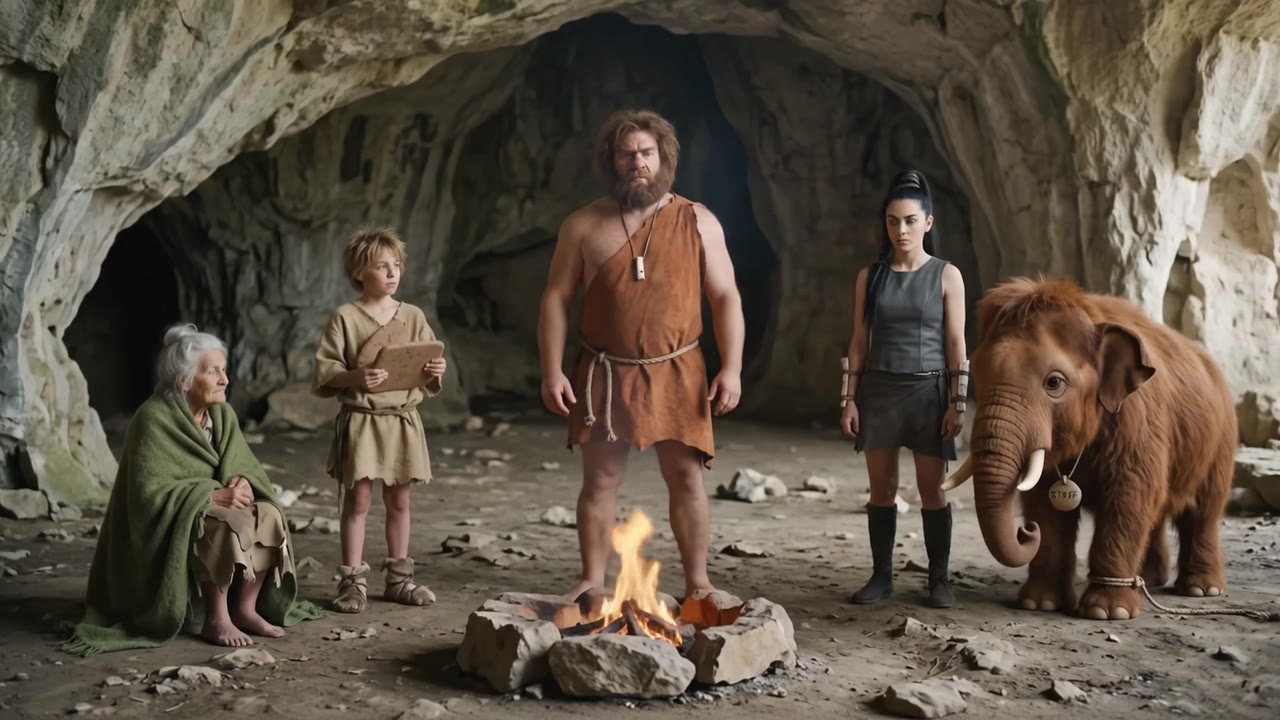
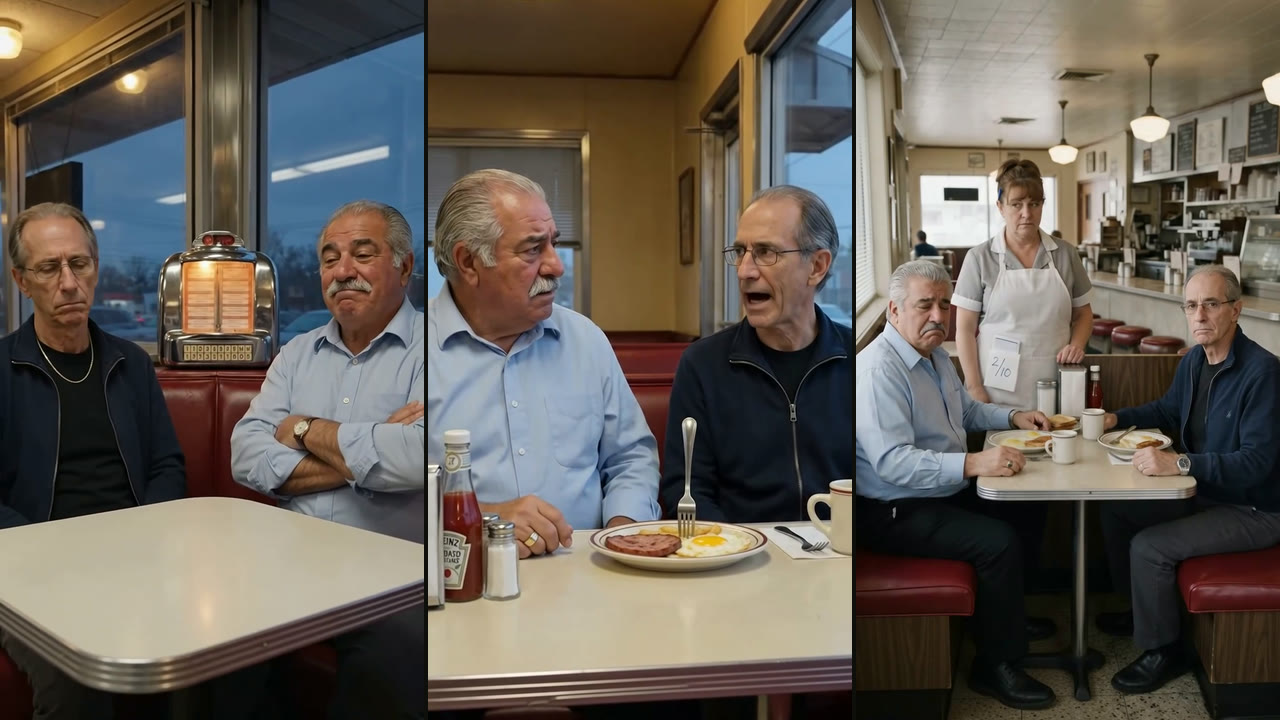
A composite customer testimonial. The performer, voice, and environment are AI-generated and labelled on-frame throughout. The product and workflow shown are the real thing.
"I used to spend weekends editing. Now I spend Saturdays with my kids. Showspring took the process that nearly killed my show and turned it into something I actually look forward to. My characters stay in voice across the whole series, the show still goes up every week, and my Saturdays are mine again. This is what production tooling is supposed to feel like."
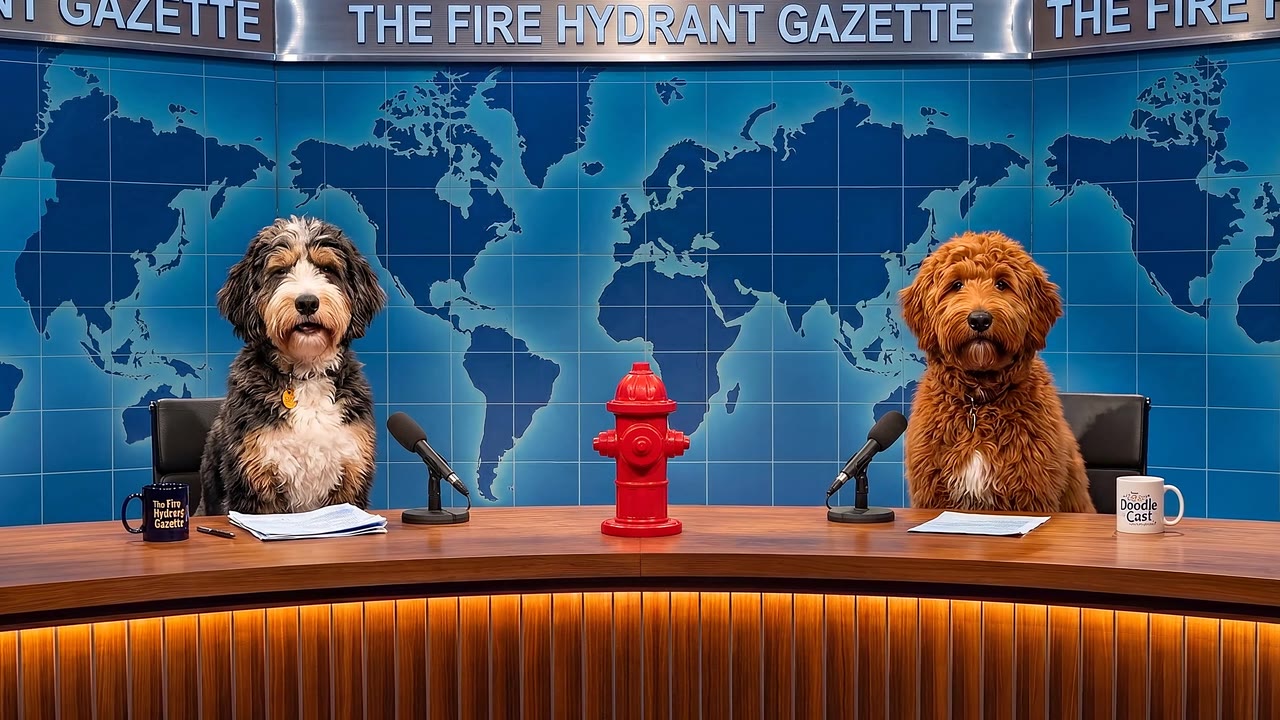
The flagship show — two recurring hosts, segment-based episodes, weekly cadence. Click any frame to open in the cinema viewer.
All three recent episodes were written, voiced, animated, edited, and published through Showspring. Roughly twenty-five recent shorts rode through the same pipeline. One person operating it, Saturday-morning time budget.
The live output of The Doodle Cast. Each line here started as a blank workspace a few hours earlier.


In parallel: POV: Squirrel's Acorn Mockery, Bogart's Unsolicited Life Advice, Kevin's Epic Chip Heist, Securing the Perimeter Against the Man in Blue, and ~20 other recent shorts — same bible, same characters, same pipeline, different format.
A new capability lands almost every week. Some headline a release; most quietly extend what your show can do. Below: every version that made it into the workspace, and what it added for the people running shows on it.
Curious how a release got built? The engineering deep-dive on overdigital.ai walks through what shipped, what broke first, and what the fix was — one version at a time.
Read the engineering build log →Showspring runs a dozen specialised AI services under the hood and picks the best one for every step, swapping in better ones as they arrive. Your show keeps getting sharper, and you never touch any of it.
Some steps run on your own hardware, so production keeps going even when cloud credits run out, and your characters stay consistent across every episode. The full stack lives on the features page.
Showspring grew out of a real problem: existing AI video tools are great for one-off clips and useless for episodic shows. So we built the tool we needed for The Doodle Cast — one that treats the show as the unit of work, not the clip. Every feature was forced into existence by an episode that needed shipping on Saturday.
If you're trying to do the same thing, read the build journey on overdigital.ai/showspring, or tell us what you're making and we'll take it from there.
Not yet. It's coming soon. Meanwhile, we're running it live on The Doodle Cast and talking to a small group of operators who have something interesting they want to make — a new show, a weekly segment, a branded podcast. If that's you, drop us a note and we'll keep you in the loop.
No. Most creators don't fully know what their show is until a few episodes in — that's normal, and Showspring is built for it. You start small: one character, one format. The show bible accumulates as you make episodes — voices that stuck, running jokes that landed, segment rules that emerged. By episode two the tool already knows your show. By episode twenty it knows it better than you remember. You're not authoring canon upfront; you're discovering it.
Solo creators running an episodic podcast or YouTube show; brands producing ongoing content series; and small agencies managing multiple shows. If all you need is a single one-off clip, almost any AI video tool will do — Showspring shines when episode 2 has to feel like it belongs in the same world as episode 1.
Days, not weeks. You don't author a bible first — you name a character, pick a format, and start. The bible fills in from what you actually make. Episode 1 takes as long as your first run through the six-step pipeline; everything after that is iteration.
Yes. Characters live in the show bible — name, personality, visual description, voice ID. ElevenLabs voice cloning works out of the box; for visuals you can upload reference images that get used at every generation step.
SaaS to start. The architecture already mixes cloud APIs with local GPU work (RTX 5090), so a self-host edition for power users with their own hardware is on the roadmap.
Not yet set. Paid tiers will scale with the number of shows and minutes generated. Get in touch to help us shape it.
Showspring is coming soon. If you have something interesting you want to make — a show, a podcast, a weekly segment — we'd love to hear about it. We read every note and reply within a day or two.